
No products in the cart.
I checked my bees on Tuesday.
Now, it would not seem to be a good idea to check bees in the dead of winter. To open a hive when the wind is blowing strong, the temperature is in the single digits, and there is snow on the ground would not seem to be the thing to do. And it isn’t. That’s not what I did.
But why would I want to check my bees? They should be doing just fine. I kept on top of the mites in the summer, and I fed them in late summer and fall. I made sure each of the 33 hives were sheltered, weather proofed and had adequate frames of feed. They should last the winter. Forget about them. Relax. Go on vacation. Or make woodenware.
It’s not “want to” check my bees. It’s “need to”. “Have to.” In fact, this is the second time this winter I checked them and I’ll do it a couple more times.
Let me be clear. This is not a long check. I didn’t pull the cluster apart and check for brood and disease and health. All I did was check for life (live bees) and feed. If it was dead, any frames of feed became resource for a live hive. Let me show you.
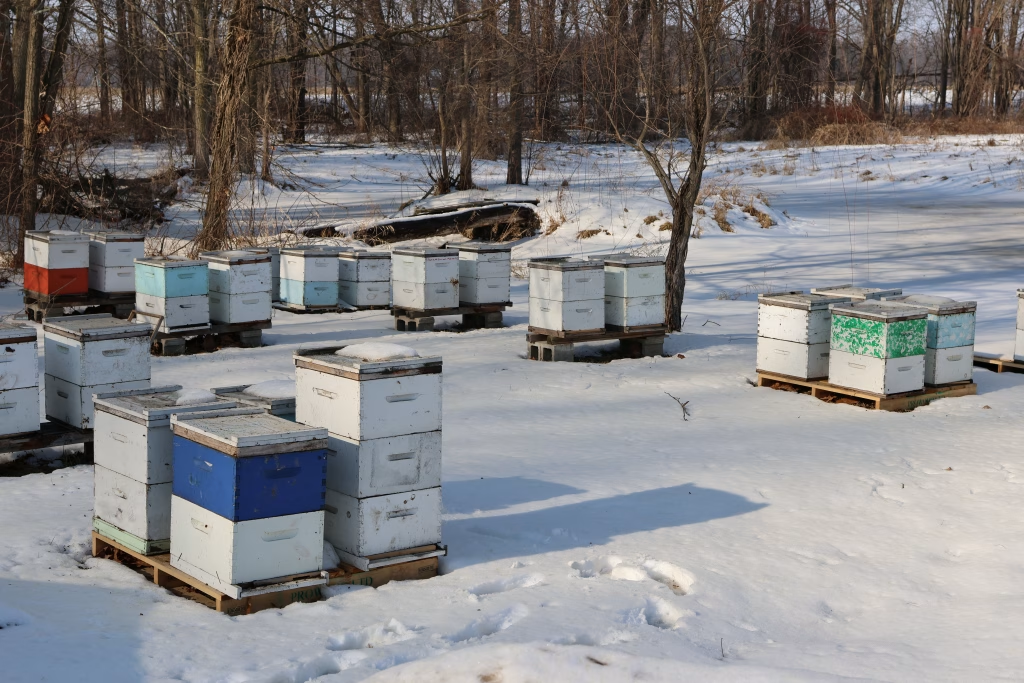
As you can see in the photograph, there was snow on the ground. But the temperature was in the mid-forties, the wind wasn’t blowing, and the sun was shining. That’s optimal. The temperature could have been a bit colder, and the sun didn’t need to be shining, for me to check my bees.
There were some dead bees in front of the hive and lying around in the snow (shown below). That is perfectly normal. On a day like Tuesday, they will fly for a cleansing flight and, if old, die and drop to the ground. Actually, I like to see a little of that. It tells me that bees are getting out and that the cluster is somewhat active- moving to more feed.
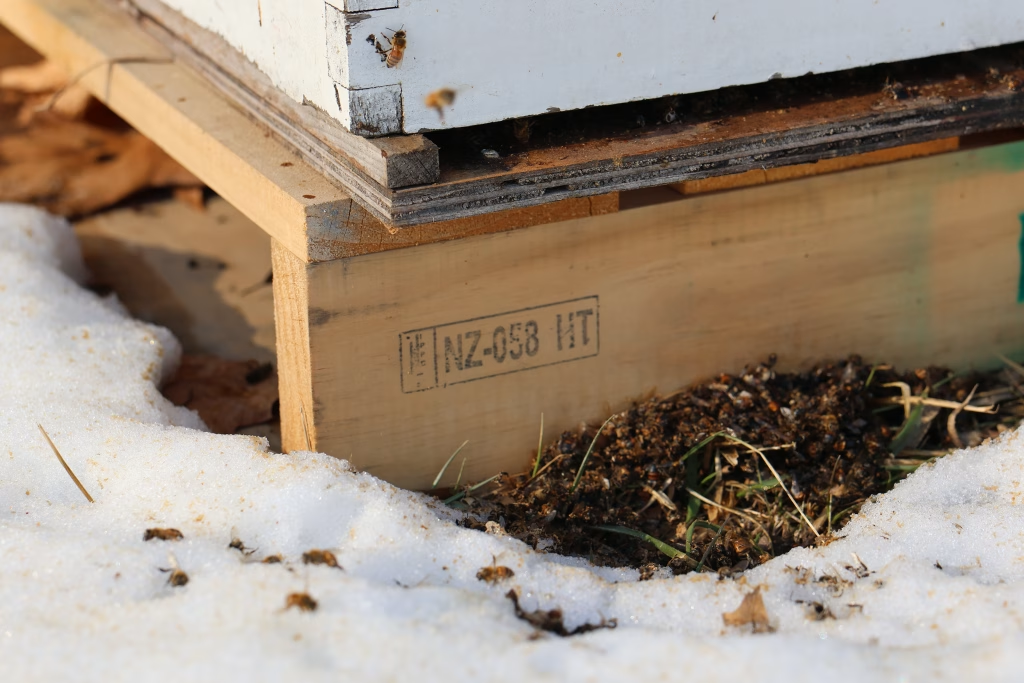
I knew a few of the hives were already dead—about three—from my check the first week of January. By the way, between then and now it was cold. Really cold and cold all the time. That makes beekeepers nervous. Tuesday was the first that it got above freezing for a month and if cold kills bees, there was a good chance that a lot of them were dead. But cold doesn’t kill bees—directly. Indirectly, cold kills bees when the bees are sick (high mite load during the previous season and viruses) or if the bees went into the winter old (because the brood shut down too earl) and a high percentage died resulting in a cluster size too small to move to more feed during a prolonged cold spell.
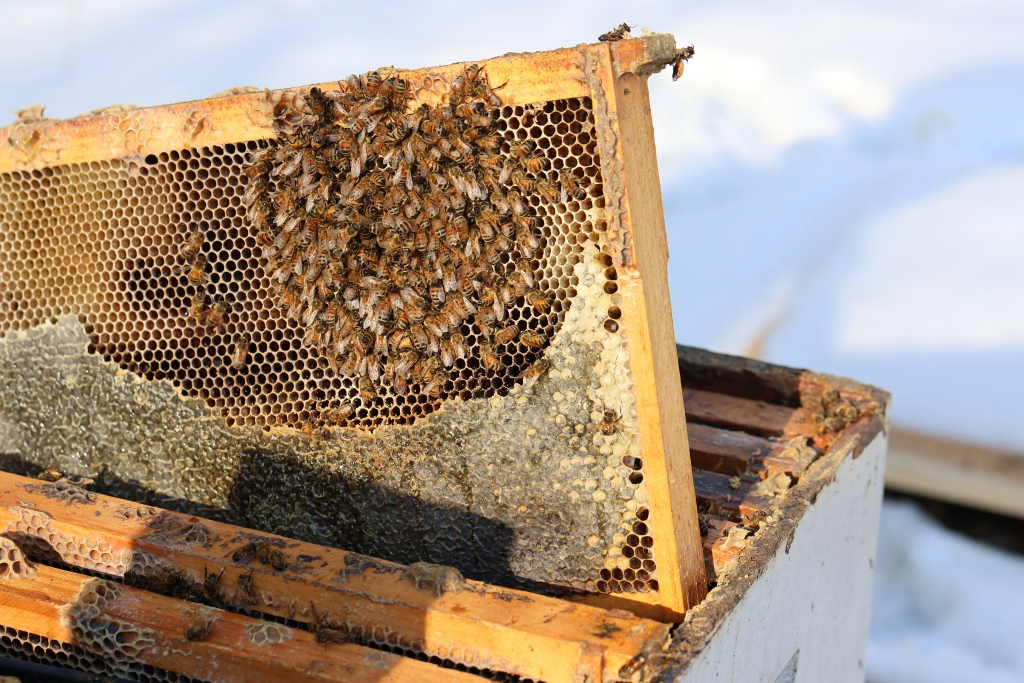
Here’s my routine. Pop the lid. If it was dead, I did a quick autopsy to determine the cause. I left the lid off. I’d deal with the dead-outs later. This picture above shows a small dead cluster just half an inch from honey. Starved. Not because feed wasn’t available. Not really because of the cold, although that didn’t help. But because the cluster was too small to move during the cold. The cluster was small, again not because of the cold, but because they went into the winter with a high population of old bees. The old bees are now dead on the bottom board and the dead ones in cluster are the few young bees that couldn’t migrate to the food just a half inch away.
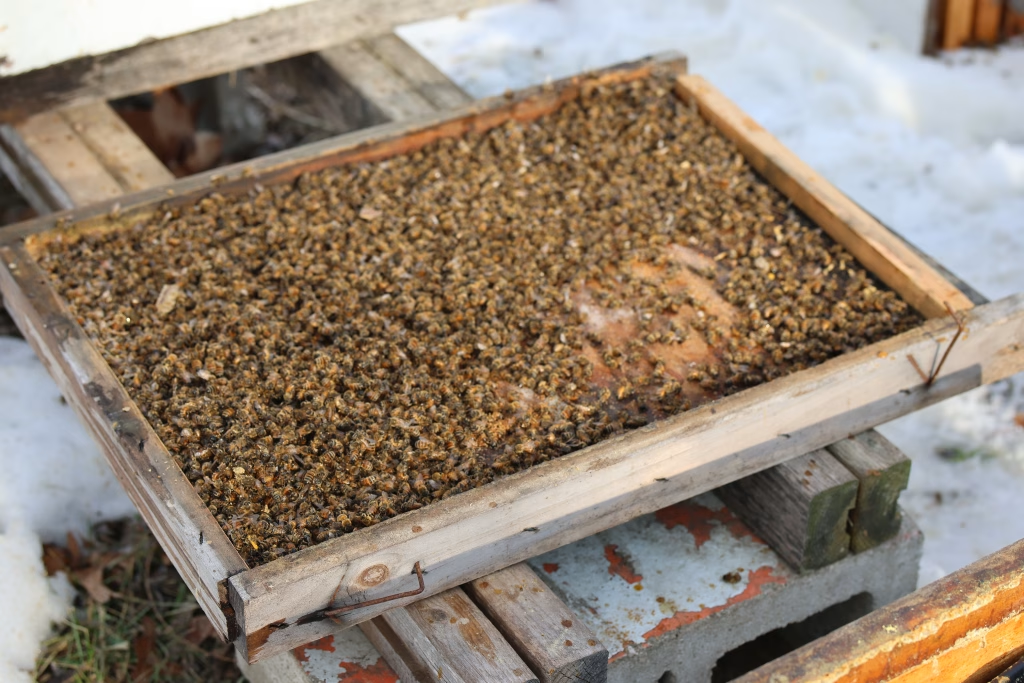
Another dead hive. This one starved outright. Not a drop of feed on the frame or nearby ones that they could have moved to if they wanted to. However, here again, old, fall bees made survival almost impossible. The ones in the cluster were the young, last hatch of October. The ones on the bottom board are most likely older.
The dead ones are for lessons to learn. But the live ones are yet hope and opportunities.
Now if there was plenty of feed on the colony in the fall and the cluster was at the bottom of the hive, there is a good chance that you won’t have to do anything. However with a winter like we have had in southern Michigan, the bees will “chimney” right up through the feed and reach the top long before warm weather arrives and starve. The hive may feel heavy, but the bees are out of feed because they only moved vertically and not horizontally. Their answer is your intervention and why you must keep bees in February or you will lose them.
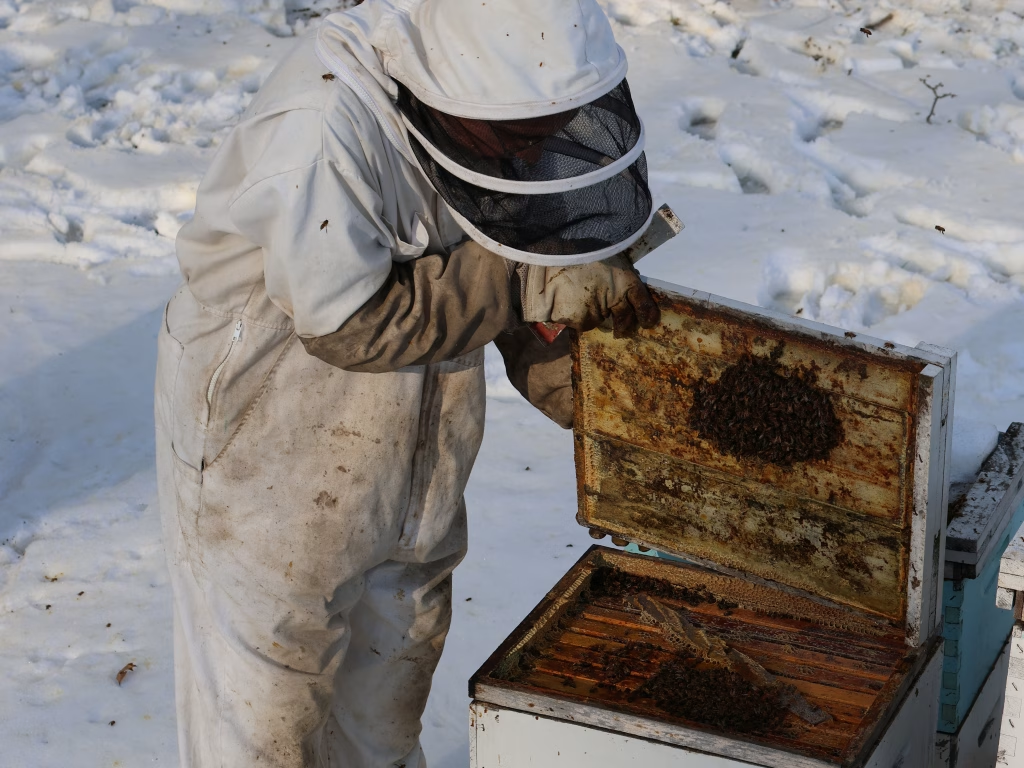
Here I am, I just popped the lid on a double story colony. The bees are alive, the cluster is sizeable, but they are days away from starving.
The frames away from the cluster may be full of feed but unless we have several days of 50-degree weather, they will not move to them. That beautiful cluster of bees with all that potential will be—DEAD. Dead—with no potential at all.
Now, in almost every case that I found on Tuesday, there was no feed and no bees in the bottom box. So, I took the top box off with the bees and remaining stores. I removed the bottom box from the bottom board, cleaned off the dead bees, and put the box with the bees back on the bottom board making a single story.
Next, I put a box full of feed from a dead-out on top or, if no box of feed was available, I placed a five-pound Hive Alive fondant patty on top of the cluster (after smoking them down of course). The lid went back on. The whole process on this colony probably took only three minutes. Note that I did not disturb the cluster.
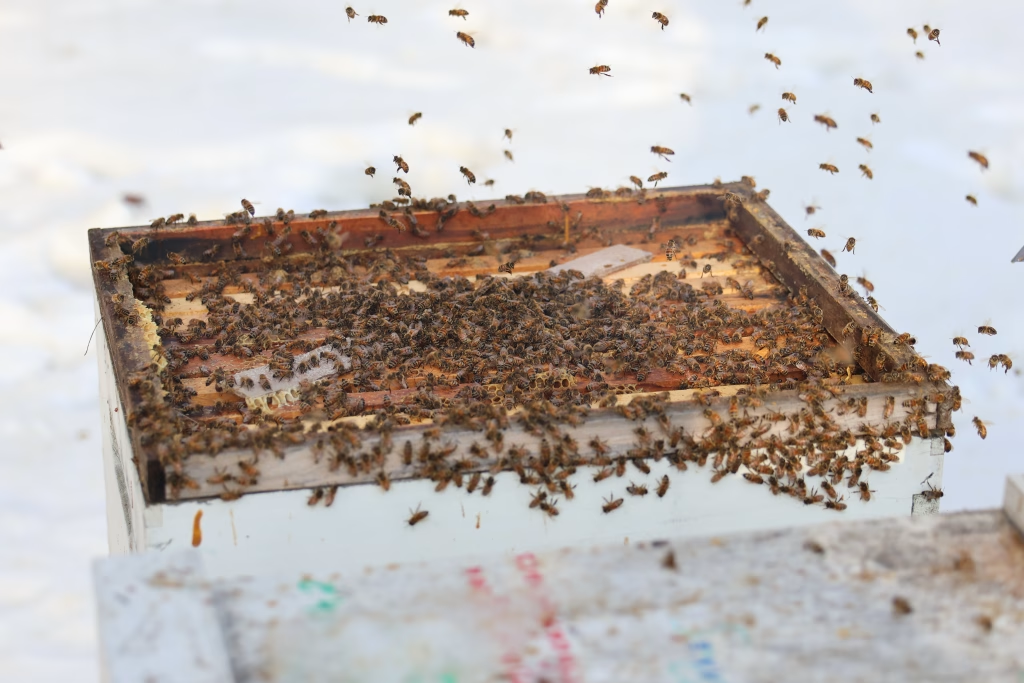
Obviously, the hive above is quite active. It’s a good hive, but their activity tells me they might be a bit frantic. It’s time to get feed on them or they, too, will be lost potential.
Feed? Not syrup in a feeder. They won’t break cluster to go get it in cold weather. It takes a fondant patty or a sugar brick right on top of the cluster. (No pollen patty yet.) They will eat that and survive as long as I keep it there. The picture below shows a fondant patty 75% consumed that I put on a month ago. Again, had I not done so, It would probably be dead by now. I put another five-pound patty on. And I will check them again in a couple weeks and probably do it again. It’s a matter of life or death.
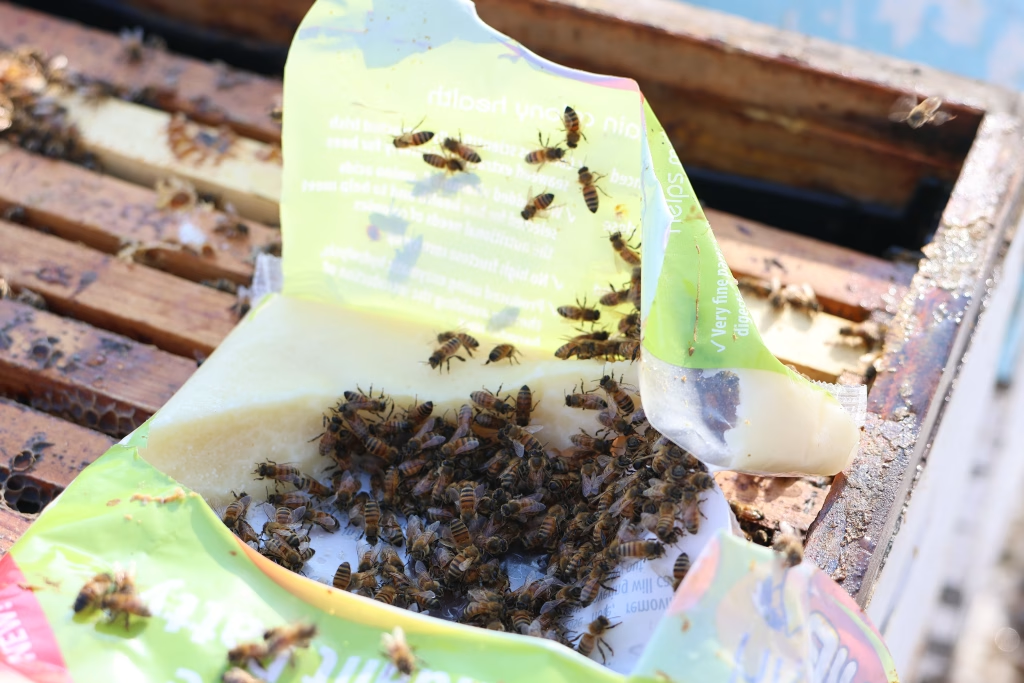
That’s why I (and you) need to keep bees in February—or we will lose them.
What were my losses so far? With the three in January and five more now, I’m at right around 25%. I’ll probably lose a few more, but even though they are not out of danger yet and without being recklessly optimistic, I can figure on at least 20 colonies out of the original 33. We’ll see in several weeks when the weather starts warming and the trees start blooming.
Vigilant beekeeping!
-Jonathan Showalter | Beeline of Michigan